


Can a big round trampoline be used by disabled people? That's a question I've been thinking about a lot lately, especially since I'm a supplier of Big Round Trampoline. I mean, when you think of a trampoline, you probably picture kids having a blast, jumping up and down, and having the time of their lives. But what about people with disabilities? Can they also enjoy the fun and benefits of a big round trampoline?
First off, let's talk about the physical benefits of trampolining. For anyone, it's a great form of exercise. It gets your heart pumping, strengthens your muscles, and improves your balance and coordination. For disabled people, these benefits can be even more significant. For example, those with mobility issues might find that the gentle bouncing motion of a trampoline helps to improve their joint flexibility and muscle strength. It can also be a low - impact way to get some exercise, which is great for people with conditions that make high - impact activities difficult.
Now, I know what you're thinking. "A trampoline seems pretty dangerous for someone with a disability." And I get it. Safety is always a top concern, especially when it comes to people who might be more vulnerable. But here's the thing: modern trampolines, especially the big round ones we supply, come with a lot of safety features. We have 6ft Trampoline with Enclosure options that have a net around the edge. This net helps to prevent people from falling off the trampoline, which is a huge safety plus.
There are also different levels of support that can be added. For example, we can work with physical therapists or other professionals to come up with custom - made support systems. Maybe it's a harness that can be adjusted to the individual's needs, or a special mat that provides extra cushioning. These things can make a big difference in making the trampoline a safe and enjoyable experience for disabled people.
Another aspect to consider is the psychological benefits. Trampolining can be a lot of fun! It gives people a sense of freedom and weightlessness that they might not experience in their daily lives. For disabled people, who might face a lot of limitations in their day - to - day activities, the ability to have this kind of fun can be a real mood - booster. It can also help to build confidence. Imagine a person who has struggled with mobility for a long time finally being able to bounce on a trampoline. That's a pretty big achievement, and it can have a positive impact on their self - esteem.
Of course, not all disabled people will be able to use a trampoline. It really depends on the individual's condition. For example, someone with a severe spinal injury might not be a good candidate due to the risk of further injury. But there are many disabled people who could potentially benefit from trampolining.
We've also been doing some research and talking to physical therapists and experts in the field. They've told us that trampolining can be a part of a rehabilitation program. It can help with things like sensory integration, which is important for people with neurological disorders. The different sensations of bouncing, the movement of the body in the air, and the pressure on the joints can all stimulate the nervous system in a positive way.
Let's talk about the types of disabilities that could potentially use a big round trampoline. People with mild to moderate cerebral palsy might find it beneficial. The bouncing motion can help with muscle control and balance. Those with autism spectrum disorder could also benefit from the sensory experience. The tactile sensation of the trampoline mat, the visual experience of being in the air, and the auditory feedback of the bouncing can all be part of a positive sensory input.
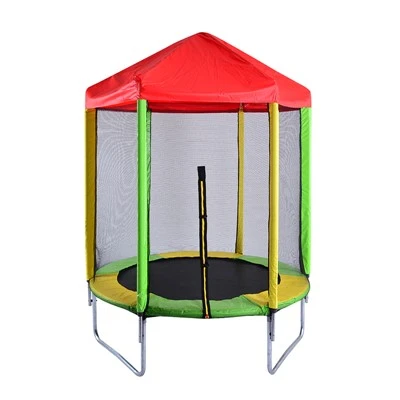

We're not just talking about individual use either. We could see big round trampolines being used in rehabilitation centers, schools for disabled children, or community centers. It could be a great addition to their facilities, providing a fun and therapeutic activity for a lot of people.
When it comes to using a trampoline, proper training is essential. We can offer training programs for caregivers, physical therapists, and anyone else who will be involved in helping disabled people use the trampoline. This training will cover things like how to set up the safety equipment correctly, how to assist the person on the trampoline, and what to do in case of an emergency.
I also want to mention that we're constantly looking for ways to improve our products to make them more accessible for disabled people. We're open to feedback and suggestions from the community. If there's a particular feature that would make the trampoline more usable for disabled individuals, we're willing to look into it.
So, in conclusion, a big round trampoline can definitely be used by many disabled people. With the right safety features, support systems, and training, it can provide both physical and psychological benefits. It's an exciting possibility, and I think there's a lot of potential for this kind of use.
If you're interested in learning more about how our Big Round Trampoline can be used for disabled people, or if you're a rehabilitation center, school, or community center looking to add a trampoline to your facilities, we'd love to talk to you. We can discuss your specific needs and see how we can customize our products to fit them. Don't hesitate to reach out and start a conversation about how we can make trampolining a safe and enjoyable experience for everyone.
References
- Personal communication with physical therapists and experts in the field of disability rehabilitation.
- Research on the physical and psychological benefits of trampolining for various populations.


