


When it comes to setting up a big backyard trampoline, one of the most crucial aspects is ensuring its stability. As a supplier of Big Backyard Trampolines, I understand the importance of this factor for both safety and the overall user experience. In this blog post, I'll share some valuable insights on how to check if a big backyard trampoline is stable.

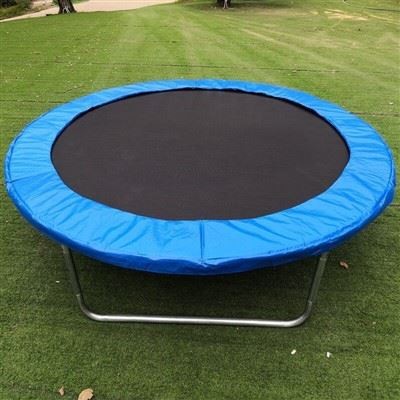
Foundation and Surface Inspection
The first step in assessing trampoline stability is to examine the foundation and the surface on which it is placed. A stable trampoline starts with a proper base.
- Flatness: The surface where the trampoline is installed must be flat. Even a slight incline can cause the trampoline to become unbalanced, increasing the risk of it tipping over during use. Use a level tool to check the ground. If the surface is uneven, you may need to level it by adding or removing soil, or use a leveling mat designed for trampolines.
- Firmness: The ground should be firm. Soft or spongy soil can cause the trampoline legs to sink over time, leading to instability. If the area is too soft, consider placing the trampoline on a concrete pad or a well - compacted gravel base. Avoid placing the trampoline on grass that is too long or wet, as this can also affect stability.
Frame and Leg Inspection
The frame and legs of the trampoline are the structural backbone that holds the entire unit together.
- Material Quality: Check the material of the frame. High - quality steel frames are generally more durable and stable than cheaper alternatives. Look for signs of rust, corrosion, or damage. Rust can weaken the metal over time, compromising the structural integrity of the frame. If you notice any rust spots, you can use a rust remover and apply a protective coating to prevent further corrosion.
- Welds and Joints: Examine the welds and joints on the frame. Welds should be smooth and continuous, without any cracks or gaps. Loose or damaged joints can cause the frame to shift and become unstable. Tighten any loose bolts or nuts using the appropriate tools. If you find a significant problem with the welds or joints, it may be necessary to contact the manufacturer for a replacement part.
- Leg Design and Placement: The legs of the trampoline should be designed to provide adequate support. Look for legs that are wide - set and have a stable base. Some trampolines come with additional stabilizing bars or cross - braces that can enhance stability. Ensure that all legs are in contact with the ground evenly. If one leg is shorter than the others, it can cause the trampoline to wobble.
Spring and Mat Inspection
The springs and mat of the trampoline play a vital role in its stability and performance.
- Spring Tension: Check the tension of the springs. All springs should have similar tension. If one or more springs are loose or damaged, it can affect the balance of the trampoline. A loose spring can cause the mat to sag in one area, creating an uneven jumping surface. Replace any damaged or weak springs with new ones that are compatible with your trampoline model.
- Mat Condition: Inspect the trampoline mat. A torn or damaged mat can not only be a safety hazard but also affect the stability of the trampoline. The mat should be securely attached to the frame using the correct number of springs. If you need to replace the mat, you can find suitable options like Trampoline Mat Replacement Round. Look for a mat that is made of high - quality, UV - resistant material and has the right dimensions for your trampoline.
Enclosure Inspection (if applicable)
Many big backyard trampolines come with an enclosure to enhance safety. However, the enclosure can also contribute to the overall stability of the trampoline.
- Enclosure Netting: Check the netting of the enclosure for tears, holes, or loose stitching. A damaged netting can allow users to fall out of the trampoline and can also affect the balance of the structure. If you find any damage, repair or replace the netting as soon as possible.
- Enclosure Poles: Inspect the poles that support the enclosure. They should be firmly attached to the trampoline frame and the ground (if applicable). Loose or bent poles can cause the enclosure to collapse, which can be dangerous. Tighten any loose connections and straighten any bent poles.
Assembly and Installation Check
Proper assembly and installation are key to ensuring trampoline stability.
- Follow the Instructions: Make sure that the trampoline was assembled according to the manufacturer's instructions. Incorrect assembly can lead to a variety of stability issues. If you're unsure about the assembly process, refer to the user manual or contact the manufacturer's customer service for assistance.
- Anchor Points: Most big backyard trampolines come with anchor points to secure the unit to the ground. Use the provided anchors to secure the trampoline firmly. Ground anchors should be driven deep enough into the ground to prevent the trampoline from being moved by strong winds or the force of jumping. Check the anchor points regularly to make sure they are still secure.
Testing the Trampoline
Once you've completed all the above inspections, it's time to test the trampoline for stability.
- Static Test: Stand on the center of the trampoline and bounce gently. Observe if the trampoline remains level and stable. If you feel any wobbling or shifting, go back and re - check the foundation, frame, and other components.
- Dynamic Test: Have one or more people jump on the trampoline at different points. Pay attention to how the trampoline responds. It should not tip over or move excessively. If you notice any problems during the dynamic test, stop using the trampoline immediately and address the stability issues.
In conclusion, ensuring the stability of a big backyard trampoline is a multi - step process that involves careful inspection of the foundation, frame, springs, mat, and other components. By following these guidelines, you can enjoy a safe and stable trampoline experience.
If you're in the market for a high - quality big backyard trampoline, we offer a wide range of products such as Large Trampoline with Enclosure and Big Round Trampoline. Our trampolines are designed with stability and safety in mind. If you have any questions or are interested in purchasing a trampoline, please feel free to contact us for a detailed discussion about your needs and to start the procurement process.
References
- "Trampoline Safety Guide", Consumer Product Safety Commission
- Manufacturer's User Manuals for Big Backyard Trampolines


